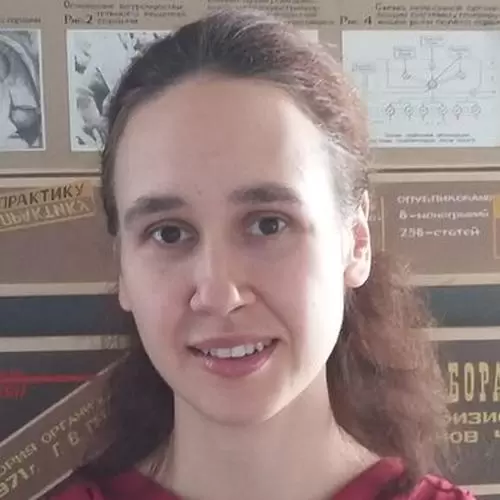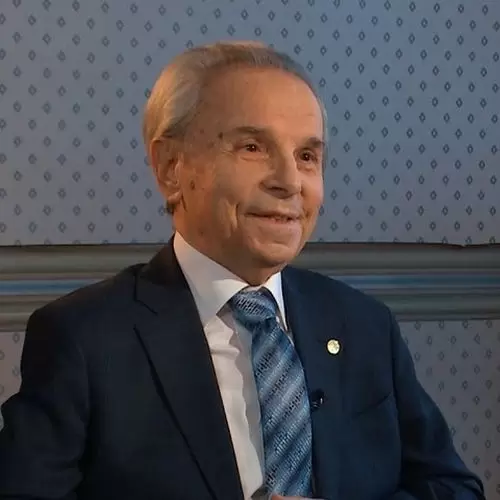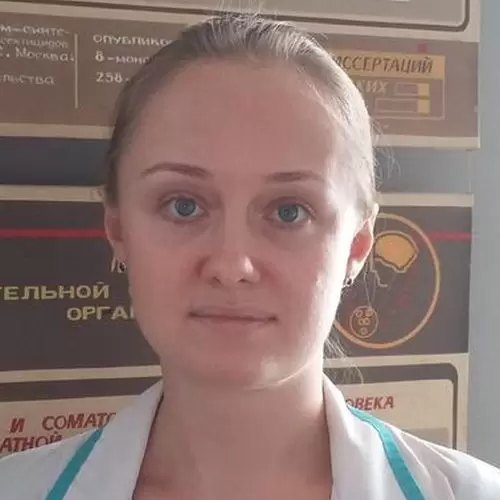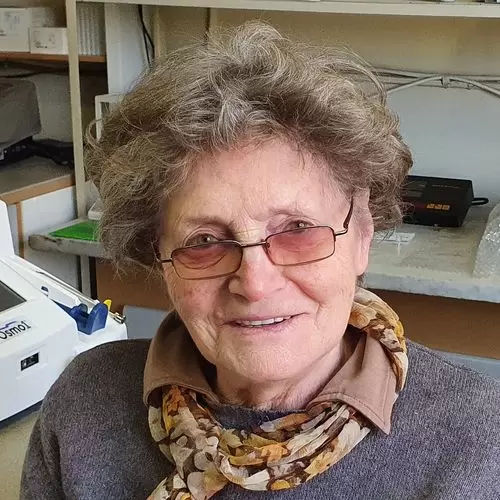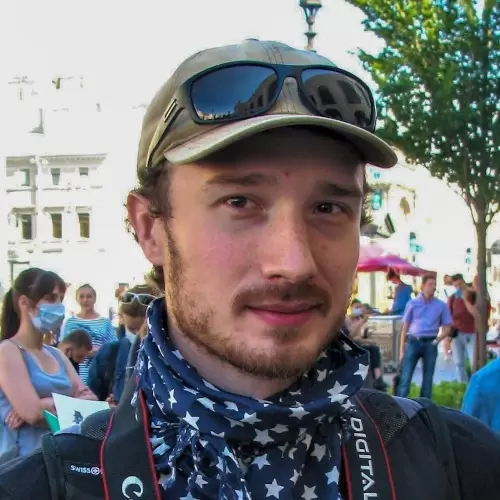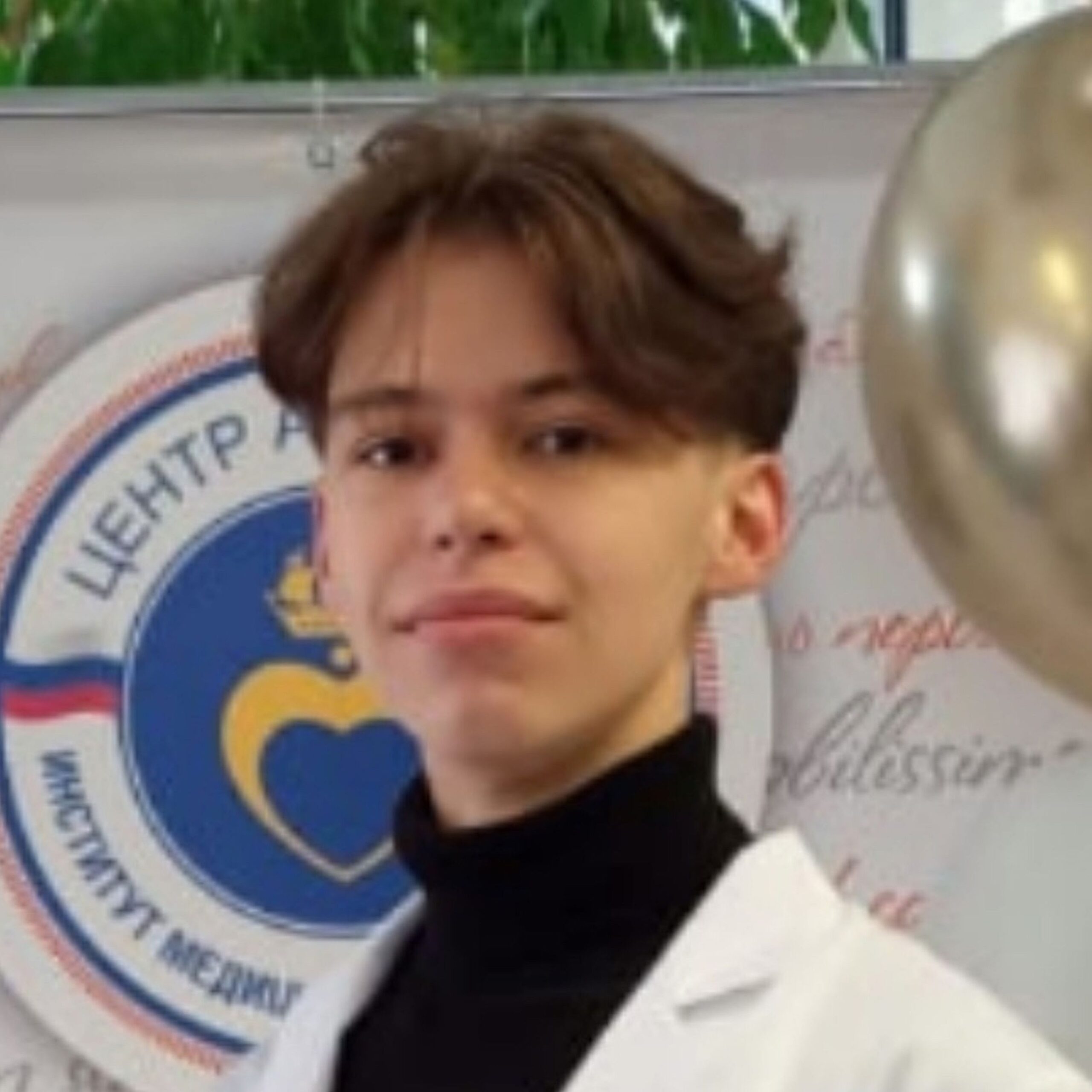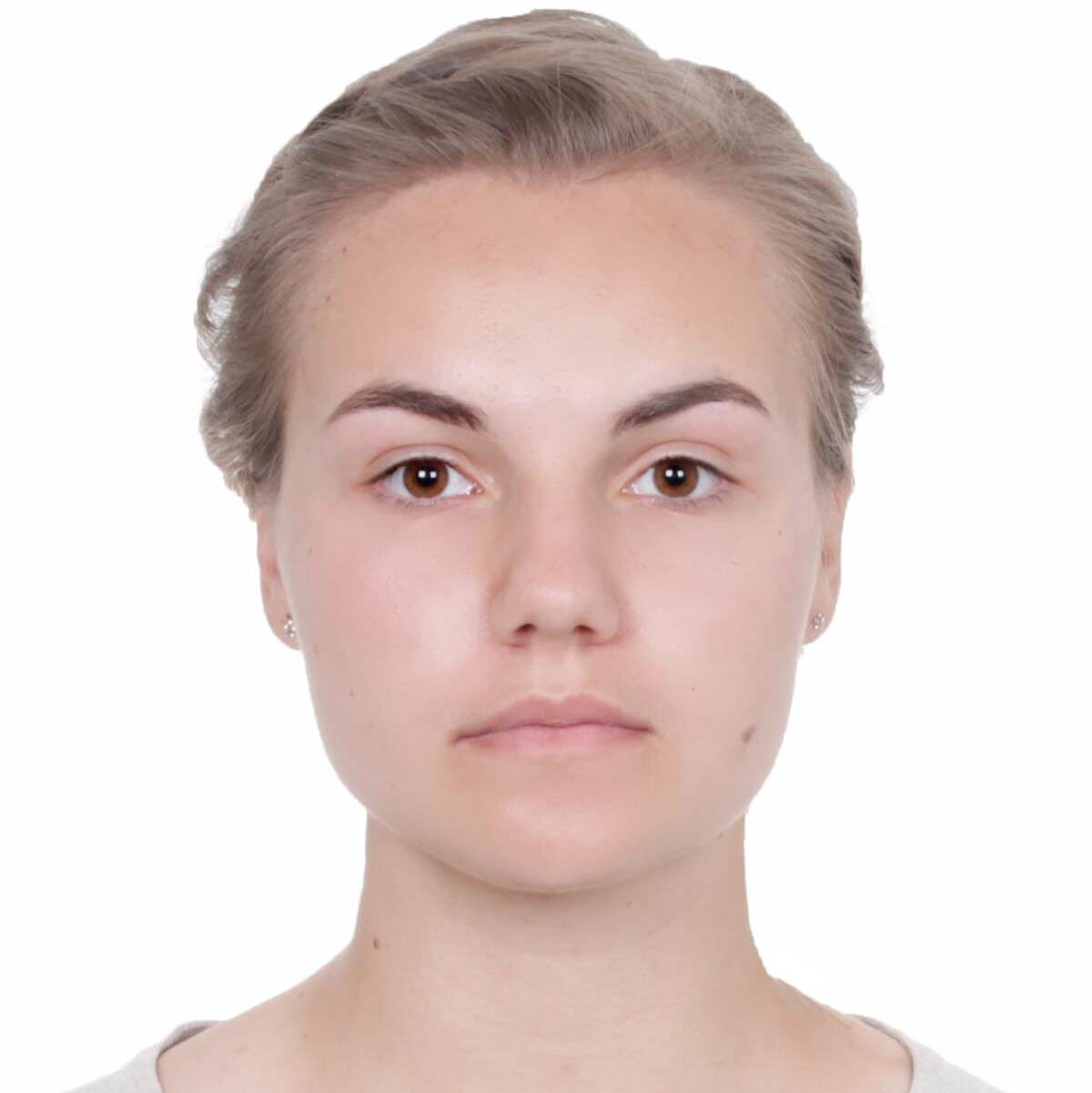
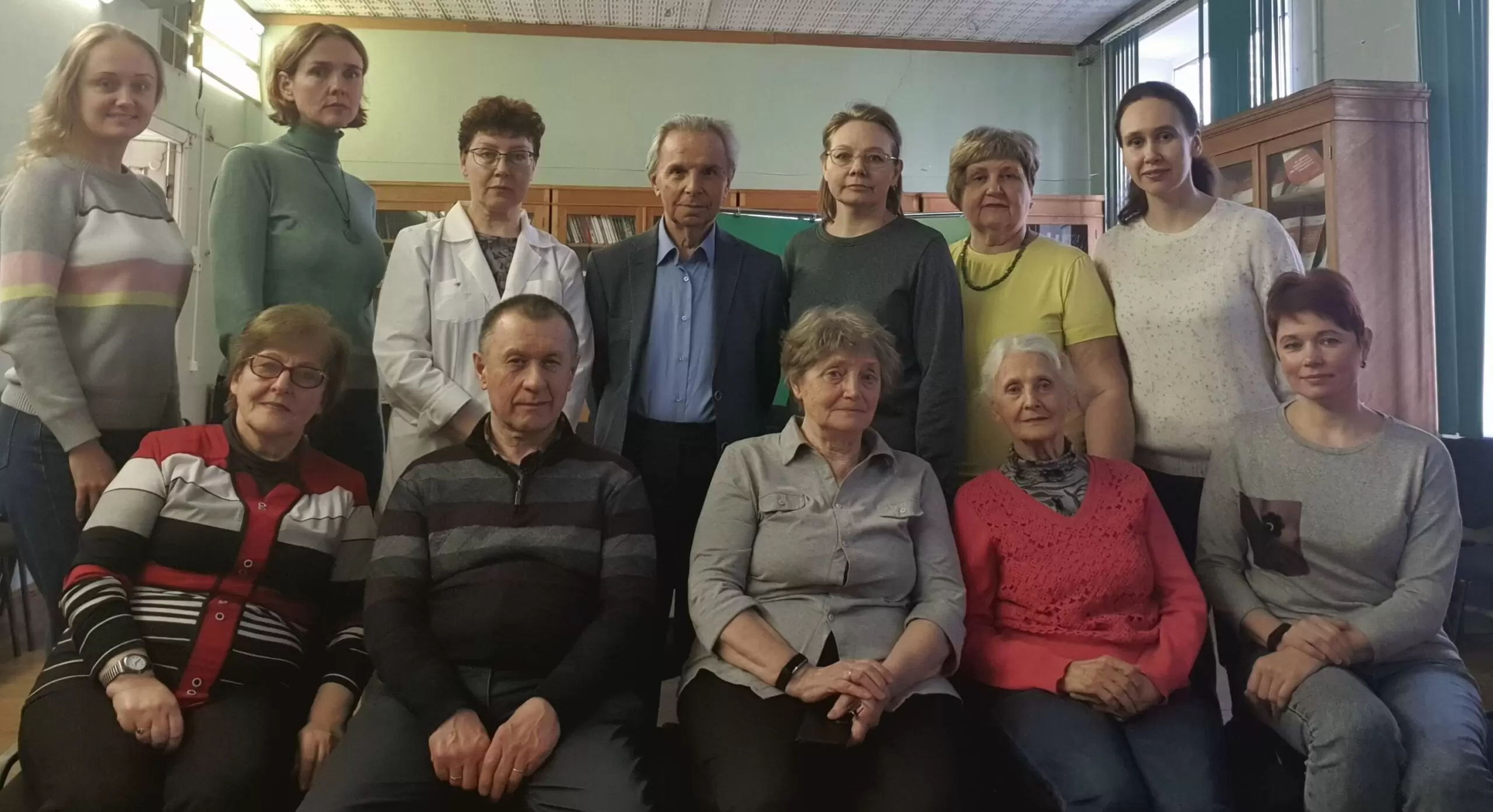
Employees of the Laboratory of Renal Physiology and Water-Salt Balance
Top row: Balbotkina E.V., Bogolepova A.E., Seliverstova E.V., Natochin Yu.V., Karavashkina T.A., Chernyavskaya N.A., Kutina A.V.
Bottom row: Prutskova N.P., Chernyavskiy V.I., Zaitseva K.V., Shakhmatova E.I., Dzutseva I.V.
History
The laboratory (original name – laboratory of the evolution of secretory and excretory processes, since 1982 – laboratory of renal physiology, later – laboratory of renal physiology and water-salt balance) was founded in 1956 by corresponding member of USSR Academy of Medical Sciences prof. Alexander G. Ginetsinsky. Prof. Maksim G. Zaks was the head of the laboratory since 1962 to 1964 and Academician Yury V. Natochin – since 1964 to 2013. Since 2014 PhD Anna V. Kutina is the head of the laboratory.
More than 45 candidate’s and 16 doctoral dissertations have been defended in the laboratory. More than 800 articles have been published in Russian and international journals, including Nature, Kidney International, J. Endocrinology, Eur. J. Physiology, Am. J. Physiol. and etc. Scientists of the laboratory have authored textbooks on physiology, several books on renal physiology and water-salt balance, patents. An application has been developed and patented for automated calculation of kidney function parameters in laboratory animals (RenalFunctions-Animals, RU 2019660731 12.08.2019) and patients (RenalFunctions-Human, RU 2019660730 12.08.2019). The data obtained in the laboratory are used in nephrological and pediatric clinics, space medicine, fishery.
Research methods:
At present, the laboratory uses classical and modern methods for studying kidney functions: clearance methods, light, confocal and electron microscopy, osmometry, atomic absorption and flame spectrophotometry of biological fluids, enzyme immunoassay, mathematical modeling, etc. The laboratory is equipped with modern instruments for conducting research on the physical and chemical composition of internal fluids, biochemical analysis, and morphological studies: Advanced Instruments Model 3300 microosmometer (USA), Sherwood-420 flame photometer (UK), Erba XL-200 automatic biochemistry analyzer (Czech Republic), Shimadzu AA-6200 atomic absorption spectrophotometer (Japan), ELx808 Biotek Instruments (USA) automatic photometer for microplate, Leica Microsystems SM 1510 cryostat (Germany), UCT Leica Microsystems ultratome (Germany), Biozero BZ-8100E Keyence Corporation fluorescence microscope (Japan). Practically important joint work is carried out with clinicians (St. Petersburg State Pediatric Medical University, St. Petersburg State University, St. Petersburg Clinical Hospital of the Russian Academy of Sciences), etc.
The main results and achievements:
Study of molecular mechanisms of regulation of ion and water reabsorption in the kidney
The work of the laboratory in recent years allows us to revise the ideas of fundamental nephrology about the role of individual segments of the nephron and the architecture of the kidneys. The essential role of the proximal segment of the nephron, in which fluid reabsorption turned out to be not obligate, but regulated with the participation of a number of peptide hormones, was clarified. The consequence of the regulatory decrease in proximal reabsorption is an increase in fluid inflow into the distal segment of the nephron, which significantly modulates both the osmo- and ion-regulating functions of the kidneys. Of particular interest is the study of the ratio of auto-, paracrine and endocrine regulation in ensuring renal function, the analysis of cellular and molecular mechanisms of regulation of sodium transport by neurohypophyseal hormones and incretins, the contribution to these processes of changes in the activity of various ion transporters and channels in the kidney (Na/H-antiport, Na/K/2Cl-cotransporter, Na/Cl-cotransporter, epithelial sodium channels). The emphasis is placed on the study of the physiological role of neurohypophyseal hormones and incretins in the regulation of water and ion transport in the kidney, the ratio of the effects of hormones of the vasopressin and secretin families on the osmo- and ion-regulating functions of the kidneys in various functional states of the body. Taking into account the need of clinicians for new means and approaches to the correction of water-electrolyte disorders in humans, it is of interest to study the mechanism of action of vasopressin and incretins as a target for therapeutic action, to analyze new incretins mimetics to search for drugs with a selective effect on carbohydrate and water-salt metabolism. (Yu.V. Natochin, A.V. Kutina, A.S. Marina, E.I. Shakhmatova, E.V. Balbotkina)
Morphophysiological studies of receptor-mediated clathrin-dependent endocytosis of proteins in the proximal tubules of the kidneys of lower and higher vertebrates
Amphibians are one of the most convenient and successfully used experimental models for studying the activity of various organs and physiological systems of vertebrates, including ecological, molecular-biological and biomedical studies. Immunohistochemistry and immunoblot in the kidney of amphibians, constitutive expression of endocytosis receptors (megalin/LRP2 and cubilin) was established. Cubilin was previously described only for mammalian metanephros, and in the structures of the renal glomeruli of the mesonephros of amphibians was identified for the first time. The individual steps of receptor-mediated endocytosis of fluorescent proteins, lysozyme, and albumin in the proximal tubules of frogs and newts are detailed, and the central role of ligand-induced megalin/LRP2 activity in this process is shown, along with an increase in the expression of clathrin and the Rab11 protein. A reversible slowdown in the transport of the internalized protein in the cells of the proximal tubule was revealed when loaded with another filtering protein. The data are a new contribution to the study of the fundamental mechanisms of protein absorption in the mesonephros of amphibians, a more primitive kidney compared to the metanephros of mammals. The similarity of these mechanisms in amphibians and mammals has prospects for using amphibians as an experimental model for studying the adaptive regulation of protein endocytosis in the vertebrate kidney and the renal clearance of substances, which is important for the implementation of the homeostatic and metabolic function of the kidneys and plastic metabolism under various physiological conditions or the development of pathological processes. (N.P. Prutskova, E.V. Seliverstova).
Study of the state of water-salt homeostasis and kidney function in children in postnatal ontogenesis
Approaches to assessing kidney function in children under the natural state of the water-salt regime and using new variants of stress tests and clearance formulas have been developed. The mechanism of impaired water-salt metabolism in acute pneumonia in children and the role of inadequately increased secretion of antidiuretic hormone in this has been established. Functional examination of children with genetically verified cystic fibrosis showed increased sensitivity of the kidneys to shifts in the water-salt balance and preservation of the ability of the kidneys to dilute and concentrate urine. The role of glucagon-like peptide-1 in regulating the release of water and sodium ions in children is being investigated. (A.A. Kuznetsova, A.S. Marina, A.V. Nistarova, E.V. Balbotkina)
Investigation of albuminuria mechanisms
Clarification of the physiological factors that ensure the permeability and selectivity of the glomerular filter and limit the passage of the main plasma protein albumin is an urgent fundamental scientific problem important for the physiology and pathophysiology of the kidneys. Factors contributing to the development of proteinuria are changes in the structure and loss of glycosaminoglycan charge of the glomerular filter, increased intraglomerular pressure, and hyperfiltration. In 2022-2023, we developed and characterized a new model of microalbuminuria in rats, induced by a single intraperitoneal injection of D-nitroarginine methyl ester (D-NAME). The developed model of microalbuminuria can be used to identify the effect of physiologically active substances and pharmacological drugs with suspected nephroprotective or damaging activity on glomerular filtration of proteins. Using the proposed model, the effect of neurohypophyseal hormones (vasopressin, oxytocin) on the development of albuminuria was studied. Research is being conducted on signaling mechanisms in the regulation of intraglomerular hemodynamics and in the development of proteinuria/albuminuria under various physiological and pathological conditions of water-salt balance. (A.V. Kutina, E.V. Seliverstova, E.V. Balbotkina, G.V. Belyakov)
Sodium/potassium ratio in the internal environment
The problem of ion homeostasis remains undeveloped in the problem of the correlation of the concentrations of individual ions in the pericellular environment and its regulation. It can be assumed that not only the absolute value of the concentration of Na+ and K+, but also their ratio in the blood serum is vital for the implementation of body functions. Changes in water-salt metabolism often accompany many diseases. In studies performed in the laboratory, the diagnostic value of the Na+/K+ ratio in blood serum was evaluated in various lung pathologies in adults (COVID-19) and children (community-acquired pneumonia, lung damage in orphan diseases – cystic fibrosis, primary immunodeficiency, primary ciliary dyskinesia). It is shown that changes in the ratio of ions in the blood can serve as a new guideline in assessing the condition and treatment strategy of patients in clinical practice. In this regard, the study of Na+/K+ ratios in blood serum in various functional and pathological conditions is of value. (Yu.V. Natochin, E.I. Shakhmatova, A.A. Kuznetsova)
Scientific and organizational activities:
Laboratory staff actively participate in scientific and organizational work, which included leadership of the Scientific Council for Physiological Sciences of the Russian Academy of Sciences, the National Committee of Physiologists of Russia, the editorial council of Life Sciences, participation in the work of the editorial boards of scientific journals (Russian Journal of Physiology (Ross Fiziol Zh Im I M Sechenova), Kidney International, Renal Failure, Comparative Physiology and Biochemistry, The World Health & Medical Policy Journal).
Bogolepova A.E. (2001) and Kutina A.V. (2013) were awarded medals of the Russian Academy of Sciences with prizes for young scientists of the Russian Academy of Sciences. Chief Researcher of the Laboratory, Acad. Yu.V. Natochin was awarded two prizes named after. L.A. Orbeli (AS USSR), Gold Medal named after. I.P. Pavlova (RAS), Gold Medal named after J. Purkyne (Academy of Sciences of Czechoslovakia), medals named after S. Racz (Hungarian Physiological Society), named after S.P. Korolev (USSR Cosmonautics Federation, the Triumph Prize, etc., two prizes of the Government of the Russian Federation, the Order of Merit for the Fatherland, III and IV degrees, etc., the title of honorary doctor of the Military Medical Academy, IEM, etc., honorary professor of St. Petersburg State University, etc. In 2022, Yu.V. Natochin was awarded the Big Gold Medal named after M.V. Lomonosov, and in 2023 – the Order of Friendship – for his contribution to the development of science and many years of conscientious work.
Teaching:
PhD theses completed in the laboratory and under the guidance of laboratory staff
- Nistarova Anastasiya V. —Water-salt balance and the functional state of the kidneys in cystic fibrosis in children. 2023
- Golosova D. — Study of the participation of vasopressin receptor subtypes in the ion-regulatory function of rat kidneys. 2017
- Marina Anna S. — Study of the mechanisms of modulation of the action of neurohypophysial peptides in the kidney. 2012
- Nikolaeva Svetlana N. — Molecular mechanisms of regulation of nitric oxide production in frog bladder epithelial cells. 2011
- Kutina Anna V. — Comparative study of protein excretion by the kidney. 2009
- Burmakin M— Protein absorption in the small intestine during postnatal ontogenesis in rats. 2007
- Osipova N — Features of the participation of the kidney in ensuring osmotic and ionic homeostasis during physiological pregnancy and complicated by gestosis. 2007
- Kanashkina Т — Study of the effect of synthesized analogues of arginine-vasotocin on kidney function in rats. 2007
- Fetisova N — Study of the characteristics of sodium reabsorption in the kidney with changes in glomerular filtration rate and blood pressure levels. 2005
- Gao Dze — Study of the effect of absorption of antidiuretic hormone in the intestine in rats on kidney function. 2004
- Bogolepova Anastasia E. — Study of the role of prostaglandins in the regulation of urine formation. 2004
- Rodionova E — Study of the role of prostaglandins in the regulation of water and ion transport in the colon. 2002
- Kusnetsova Alla A. — Study of the functional state of the kidneys and the effectiveness of desmopressin in the treatment of nocturnal enuresis in children. 1997
- Getmanova E — Cloning and functional characterization of a new oxytocin/vasopressin family (mesotocin) receptor from the bladder of the toad Bufo marinus. 1996
- Eremjants G — Функциональное состояние почек и их роль в экскреции меди, цинка, железа при введении избытка солей этих металлов. 1994
- Firsov D. — Study of the role of second messengers in the mechanism of increasing osmotic permeability under the action of vasopressin. 1991
- Tihonov V — Water-electrolyte metabolism in constitutional exogenous obesity in children. 1989
- Mjazina E — Comparative physiological study of the nephrotoxic effect of heavy metals in vertebrates. 1988
- Sultanova N— Seasonal features of kidney function and the effect of furosemide in patients with coronary heart disease (with edema syndrome) and hypertension in an arid zone. 1986
- Podsekaeva G — Osmo-, volume- and ion-regulatory functions of the great gerbil kidney. 1985
- Gyrchev R — Ion-regulating function of a denervated kidney in a dog 1985
- Arhipov V — Stress tests in assessing renal function by regulating the acid-base state in glomerulonephritis in children. 1985
- Kosheleva L — Features of the action of diuretics in glomerulonephritis and pyelonephritis in children. 1983
- Zhukovskaya E — Features of the action of furosemide in children of different ages with nephropathies. 1983
- Tibekina L— Features of the action of diuretics in hypothalamic syndromes. 1982
- Pokrovskiy V — Comparative study of sodium and potassium transport in nephron tubules. 1981
- Monin Yu — A comparative study of the effect of changes in the osmotic and ionic composition of the blood on the osmo- and ion-regulatory function of the kidney. 1981
- Kuzmina O—The role of intracellular inorganic ions in the adaptation of some poikilo-osmotic animals to changes in water salinity. 1981
- Gambaryan Stepan P. — Comparative morphological study of reptile kidneys. 1981
- Gozalishvili T — Features of water-excreting and ion-regulating functions of the kidneys and the effect of furosemide in nephritis in children. 1978
- Levanovich V — Comparative physiological studies of the activity of cations in internal fluids. 1977
- Metallov G — Concentration of osmotically active substances and ions in the blood serum of sturgeon during the sea and river periods of life. 1976
- Goncharevskaya O — Proximal reabsorption and formation of nephron structure in the vertebrate kidney. 1976
- Filippov Yuri Alekseevich Peresheina L — Features of kidney function and the effect of diuretics in children of the first year of life. 1975
- Bakhteeva Vera T — Peculiarities of potassium secretion by the kidney of vertebrates and cellular mechanisms of its secretion. 1975
- Shakhmatova Elena I. — Натрийуретическая функция почки позвоночных. 1974
- Lavrova L — Ecological features of the cationic composition of blood and ion-regulating function of the kidneys of fish and amphibians. 1974
- Ermakova I — Features of kidney activity in chronic renal failure. 1973
- Tseringer T — Features of kidney function in the recovery period of acute renal failure. 1972
- Bessonov B — Bessonov B
- Pinegin L — Kidney function and the effect of dehydration in patients with brain tumors affecting the hypothalamus. 1969
- Gusev G — Excretion of calcium and magnesium by the kidney of vertebrates. 1969
- Leontiev V — Comparative study of sodium distribution in animal tissues. 1968
- Vinnichenko L — Comparative electron microscopic study of lamprey, frog and rat nephrons. 1968
- Tanasijchuk O — Secretion of lactose by the mammary gland. 1965
- Natochin Yuri V — Comparative physiological features of the hyaluronidase-hyaluronic acid system in the kidneys of various classes of vertebrates. 1960
- Norina O —Effect of diuretics in the early postnatal period. 1957
Doctoral dissertations completed in the laboratory or with the participation of a scientific adviser to laboratory staff
- Shutskaya Zh &mdash Diabetic nephropathy in children and adolescents (early diagnosis, prevention, treatment). 2011
- Kusnetsova Alla A. &mdash Combination of ontogenetic and clinical methods of evolutionary physiology in the analysis of the mechanism of regulation of kidney function. 2006
- Prutskova Natalia P. &mdash Antidiuretic hormone: central regulation of secretion and mechanism of hydroosmotic effect. 2006
- Metallov G &mdash Physiological and biochemical mechanisms of ecological and adaptive plasticity of the osmoregulatory system of sturgeon fish. 2002
- Zajtsev V &mdash The structure of the cytoskeleton of nephron cells in vertebrates and humans. 1997
- Parnova Rimma G. &mdash Molecular mechanisms of modulation of the effect of antidiuretic hormone in the osmoregulatory epithelium. 1996
- Reznik L &mdash Physiological analysis of the nephrotoxic effect of antitumor platinum complex compounds and its prevention. 1991
- Gambaryan Stepan P. &mdash Comparative morphofunctional study of vertebrate kidneys. 1990
- Barashkova G &mdash The role of brain neuropeptides in the mechanisms of regulation of gastric secretion. 1990
- Grigoriev A &mdash Regulation of water-electrolyte metabolism and kidney function in humans during space flights. 1980
- Sokolova M &mdash Comparative physiological study of the mechanisms of osmotic and ionic homeostasis. 1977
- Ivanova L &mdash Analysis of the mechanism of action of antidiuretic hormone on the mammalian kidney. 1972
- Yaremenko M &mdash The role of neurohypophysial hormones in the regulation of electrolyte and water metabolism in the exocrine glands. 1971
- Babaeva A &mdash The role of renal mitochondria in the regulation of water-salt metabolism. 1971
- Dansker V &mdash Dehydration therapy in brain surgery. 1969
- Natochin Yuri V &mdash Transport of water and sodium in osmoregulatory organs. 1967